Frank Sinatra, for all his talents, was not much of a songwriter. Across a seven-decade run and nearly 1,000 recordings, he racked up co-writing credit on only seven songs. That’s not a knock on Ol’ Blue Eyes. Sinatra wasn’t built to draft lyrics or fuss over chord changes. He was, first and foremost, an interpreter—the kind who could borrow a song and return it sounding unmistakably Sinatra.
He also had a knack for spotting kindred craftsmen. So when he wanted a home in Beverly Hills, he went to Paul R. Williams—who did for architecture what Sinatra did for song. What set Williams apart was not a single signature style but a capacious design empathy. He could read between a client’s words, then give their preferences a clear architectural grammar. The result felt current without being trendy, personal without being precious, and tailored to both the person and the site. Williams moved from private houses to schools, hotels, civic buildings and churches, shifting styles with ease—Spanish Colonial, Tudor, Regency, Modernist… even a brief Googie moment.
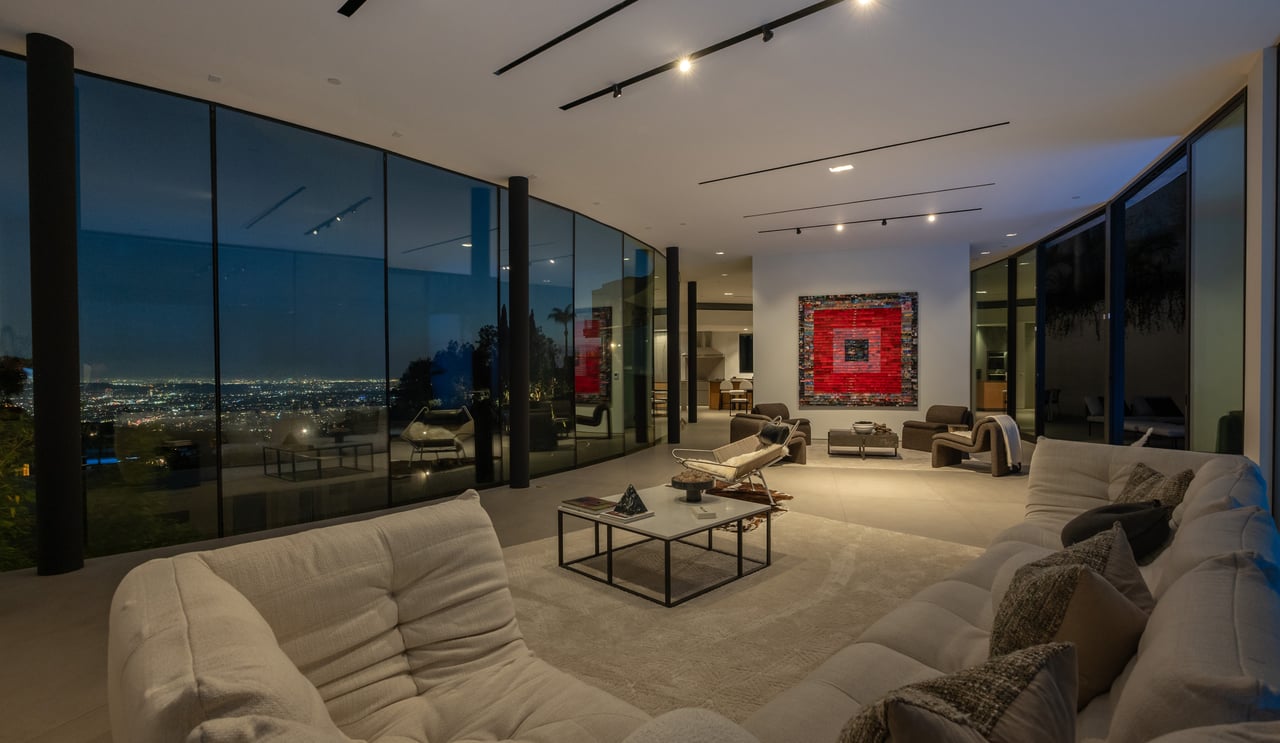
That versatility drew a roster of famous entertainment-world clients including Lucille Ball, Cary Grant and Barbara Stanwyck. For Sinatra, who reportedly gave him carte blanche, Williams delivered a clean-lined, futuristic statement on LA’s Bowmont Drive that quickly became a magazine favorite. The title “architect to the stars” soon followed.
It’s a tidy label, if inadequate. Williams’ impact runs deeper than that. Born in Los Angeles in 1894, he became the first Black member of the American Institute of Architects in 1923. You can hardly drive a mile in Los Angeles without running into one of his works. Elsewhere? Over a prolific career, he designed more than 2,000 buildings around the world.
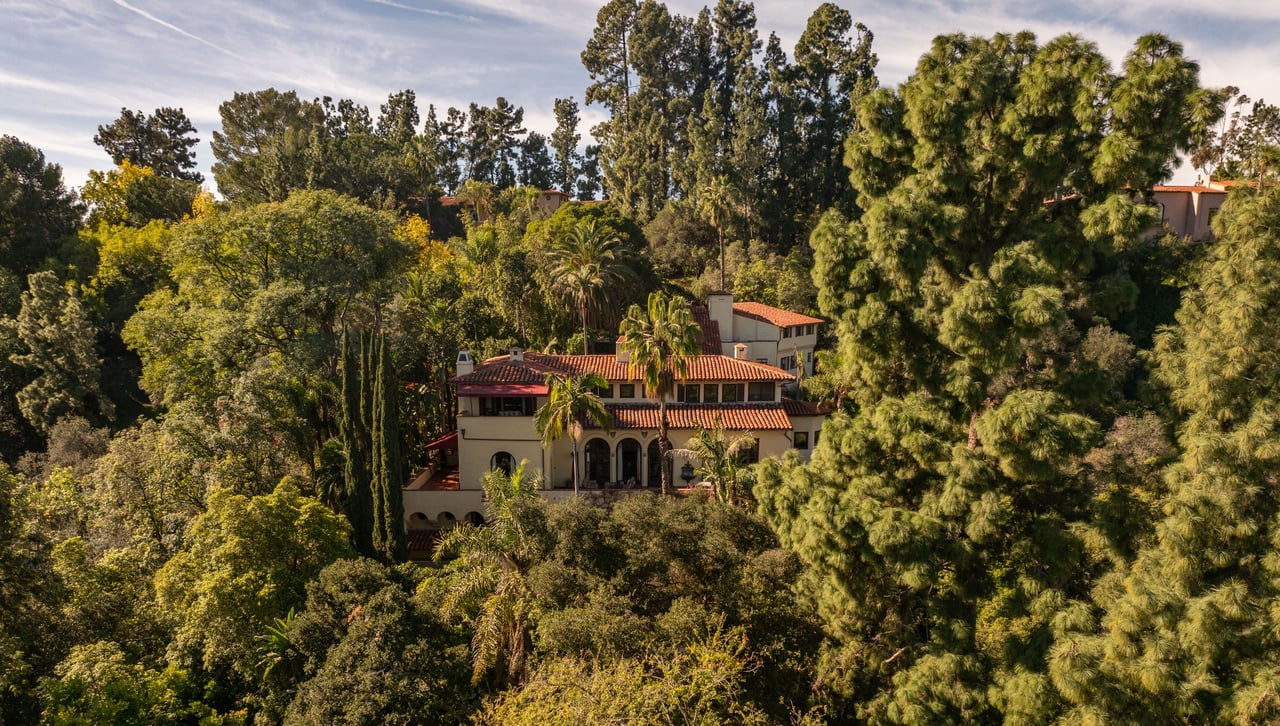
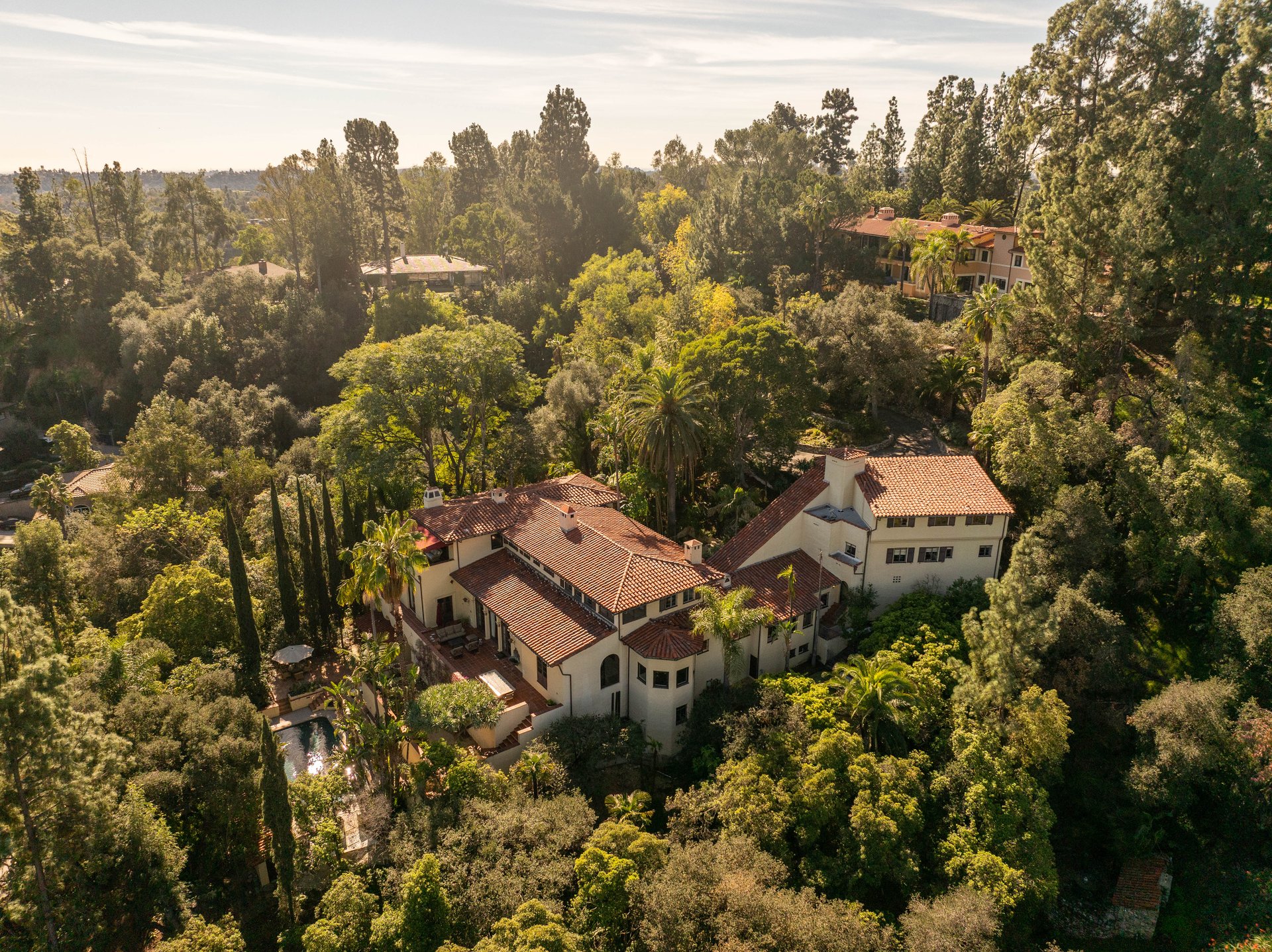
One crystallization of signature Williams talent sits above Pasadena’s treetops at 200 Fern Drive in the tucked-away neighborhood of Alta San Rafael.
The property’s stature isn’t just a matter of taste, either. In 2018, the City of Pasadena granted the home designated-monument status, citing exceptional representation of its style, as well as regional significance. The home is also covered by the Mills Act, which offers meaningful property-tax savings in exchange for preserving the residence’s historic character.
From the start, the home was never going to be modest, thanks to the built-in momentum of a promising pairing: an architect with a reputation for lavish detail, and a client with the means and appetite to let the idea go all the way.
Commissioned by Dr. Valentine Mott Pierce—a Pasadena physician with an entrepreneurial streak and heir to a family business that once peddled “miracle elixirs” to medicine cabinets nationwide—the home’s scale and workmanship are pure late-1920s confidence. And while Williams designed three homes in Alta San Rafael, this is the one that feels most like a statement. Grander in plan, richer in detail.
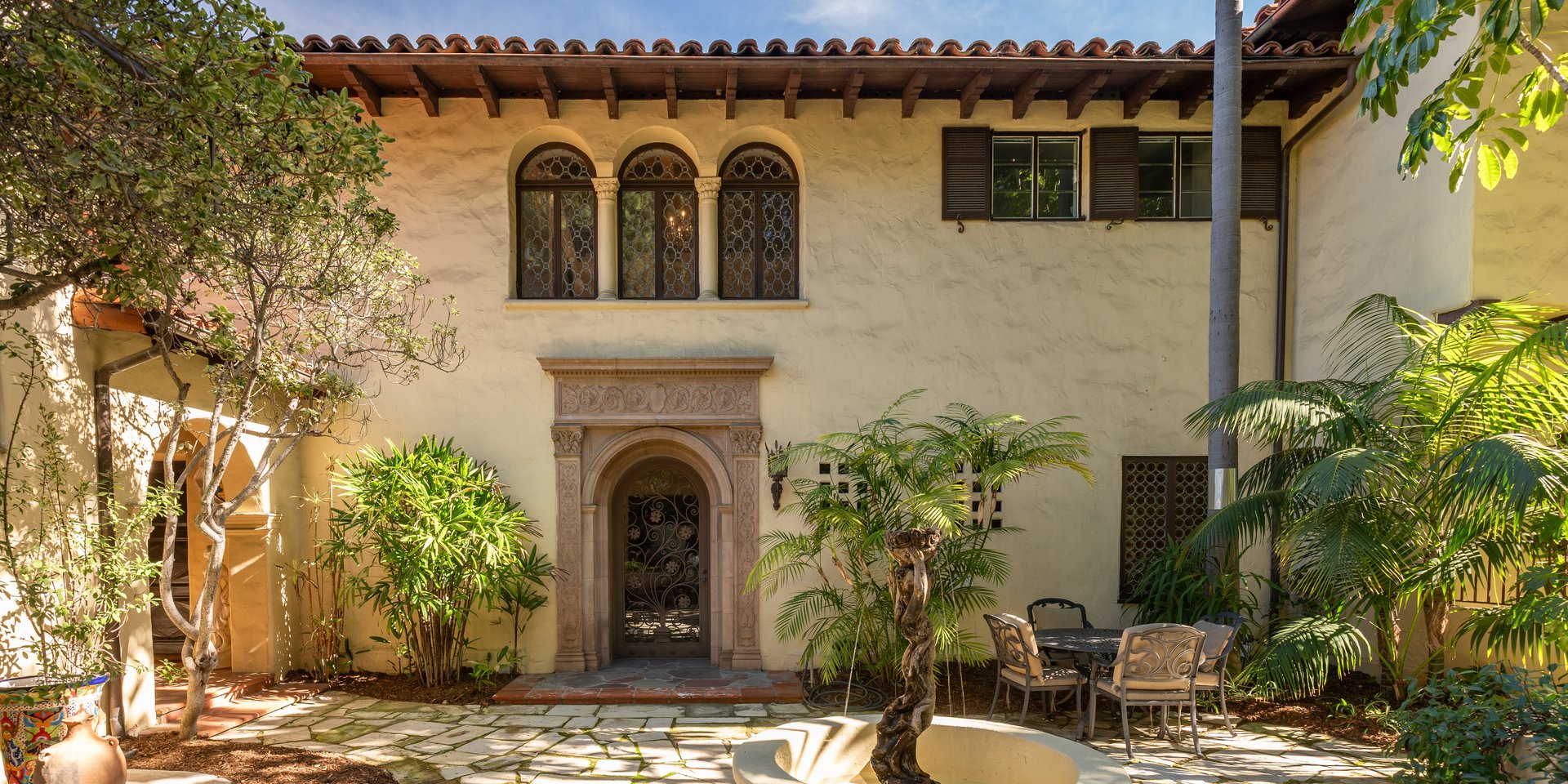
For starters, the approach telegraphs the house’s best trick. It’s large, but it doesn’t perform that way. Tucked down a private lane on nearly two acres near the Colorado Street Bridge, the estate reveals itself below the driveway, terraced into the hillside so the massing feels folded inward. You descend by stair to the main level and arrive in a courtyard, a stone fountain at its center and a thick canopy above. From there, the grounds keep unspooling. Meandering paths, stacked terraces and outdoor pockets designed for long lunches that turn into later ones, with a hand-dug pool set low and quiet.
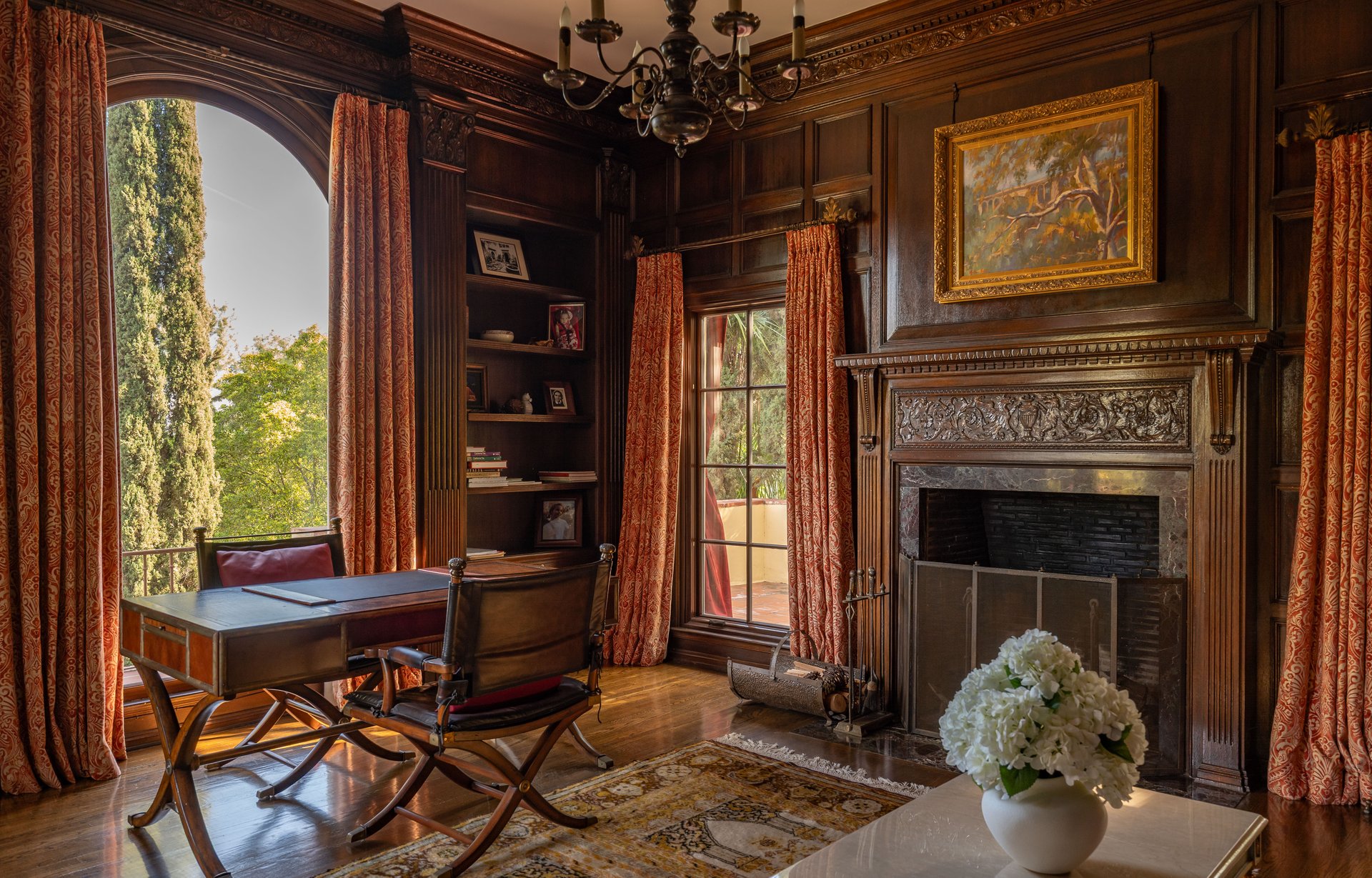
For all that hidden-world intimacy, however, the architecture itself speaks in a familiar Southern California dialect. Built in the late 1920s, when Mediterranean Revival was sweeping through the state’s moneyed enclaves, the home leans into the romantic vocabulary of Italian and Spanish villas: hand-troweled stucco, red-tile rooflines, arched corridors and doorways, and wrought-iron detailing bent and fitted on site.
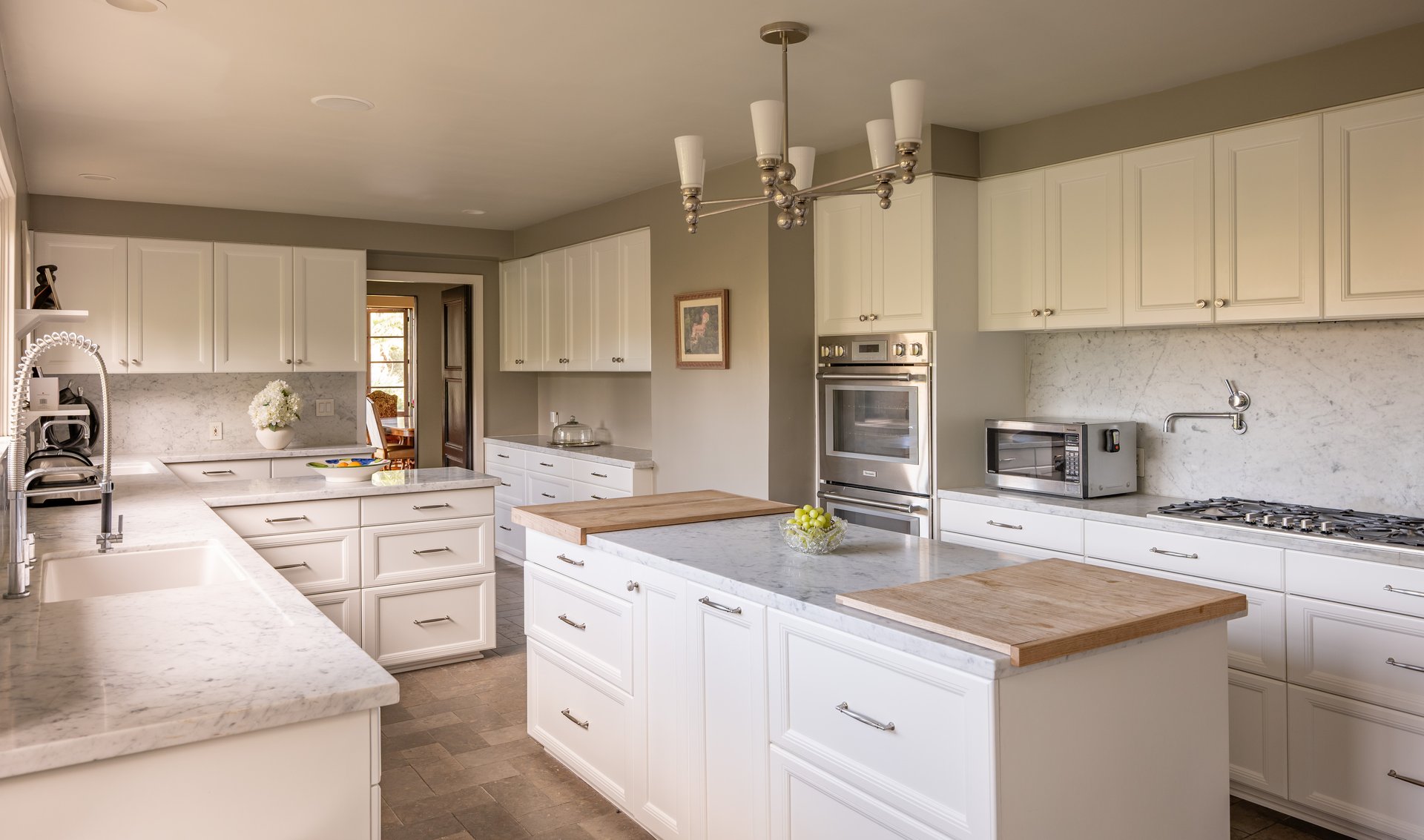
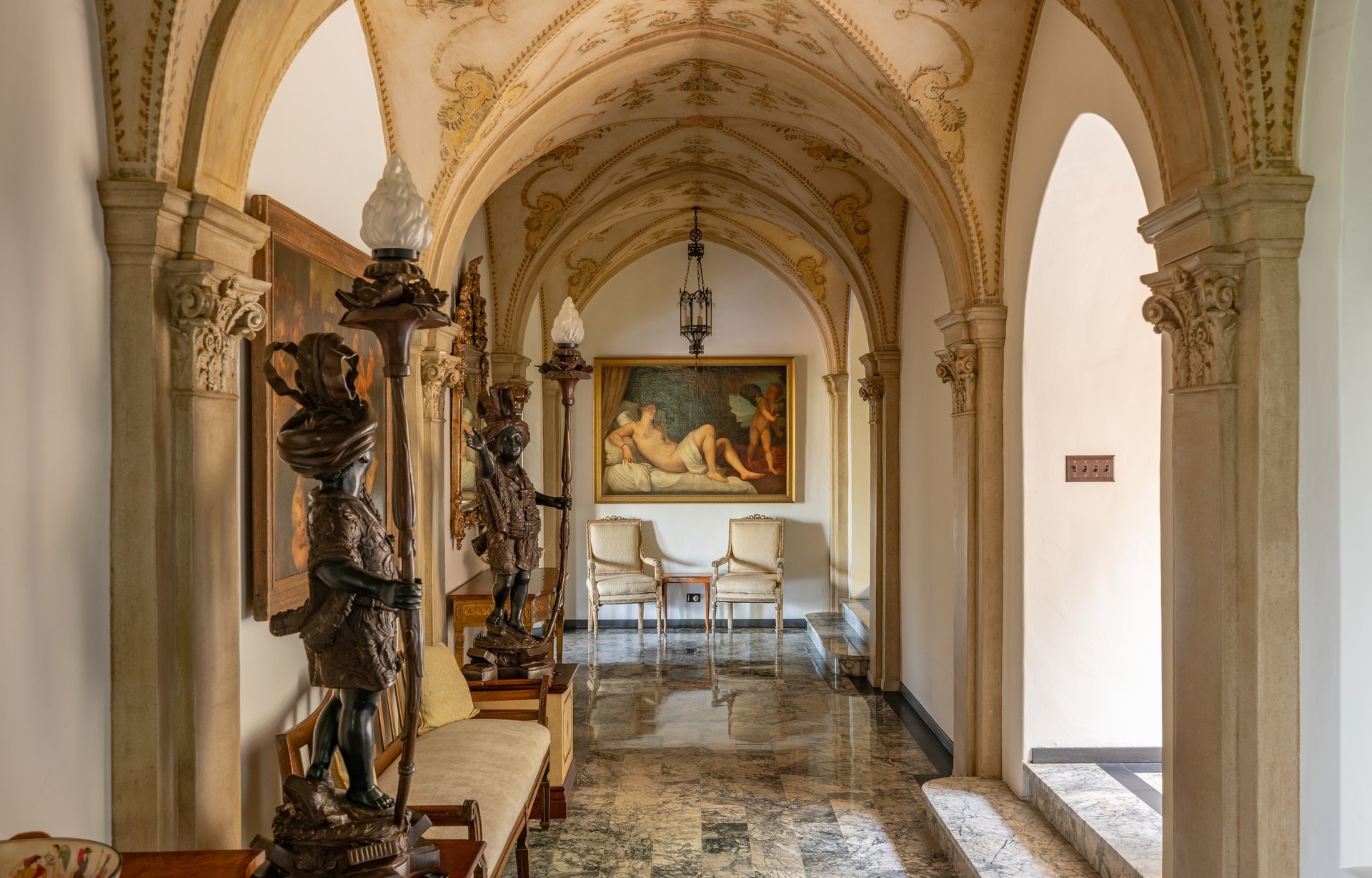
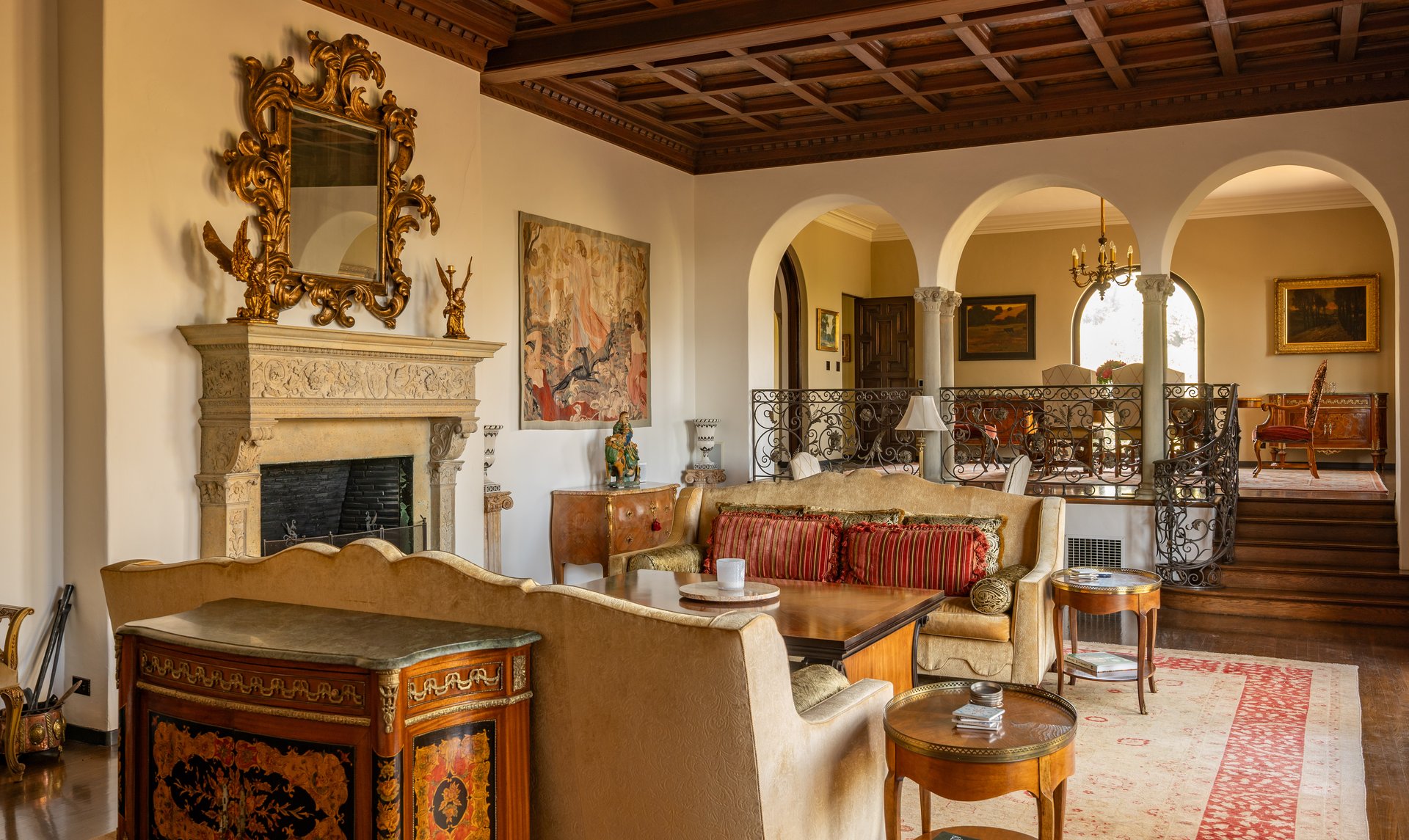
But Williams’ interpretation is far more than a pastiche of travelogue elements. Inside, a groin-vaulted, columned foyer stages the arrival then releases you into multi-level living spaces designed for both entertaining and everyday drift. The living room’s coffered ceiling lends weight while an ornamental fireplace serves as centerpiece. Arched doors swing out to a terrace, with the San Gabriel Mountains staged in the distance.
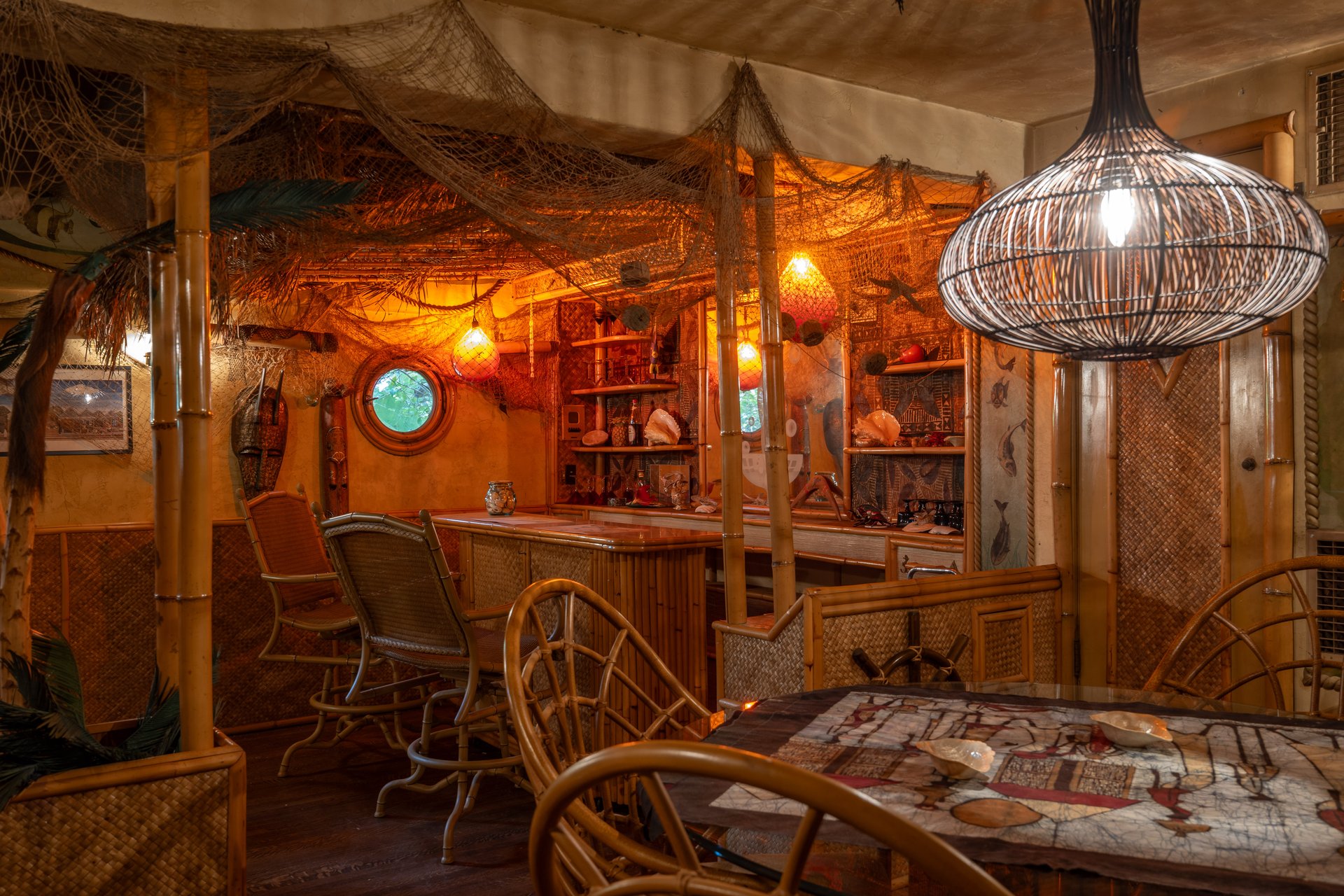
Adjacent, an elevated dining room connects to the updated kitchen through an octagonal breakfast alcove. Upstairs, two primary suites expand into sitting areas, three-season rooms and private terraces. Overall, the house stretches to roughly 6,100 square feet. The kind of scale that lets a house keep secrets, including an original fireside billiards room and a speakeasy-meets-Tiki bar hidden behind a concealed door.
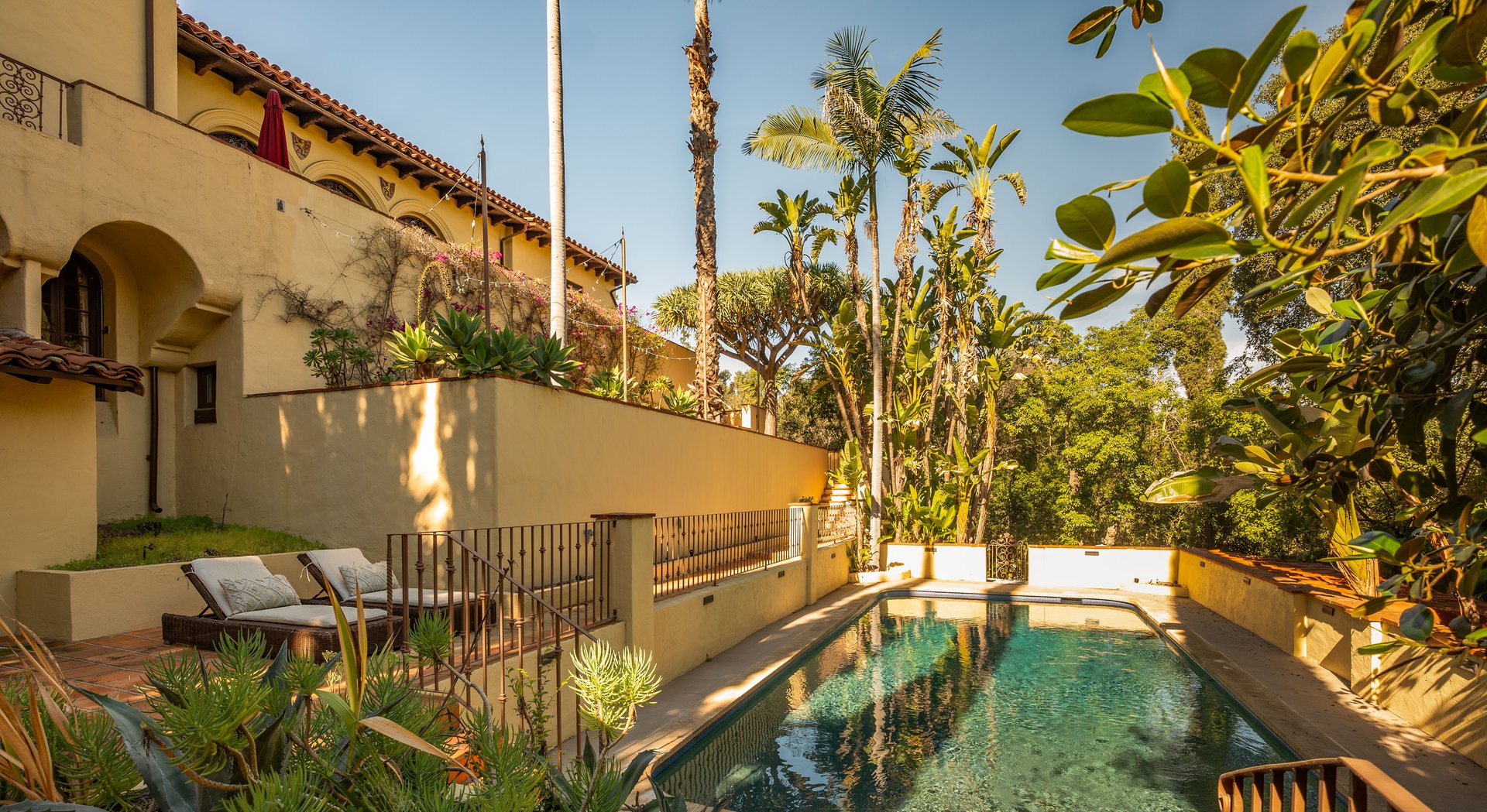
Many of Williams’ best moves here are hidden in plain sight. He frames the landscaping from key interior vantage points so the gardens read like living artwork. He upgrades the “in-between” moments. A simple hallway window becomes a design feature through steel casement, leaded bull’s-eye rondel glass. Sightlines are composed. He breaks them up with a deliberate rhythm of rounded arches and squared openings so each space earns its own identity without ever feeling cut off from the next.
All of it comes wrapped in a confident command of Mediterranean Revival. Williams understood that the magic comes not always from invention. Sometimes it’s about taking an established language and speaking it so fluently that it starts to feel definitive.