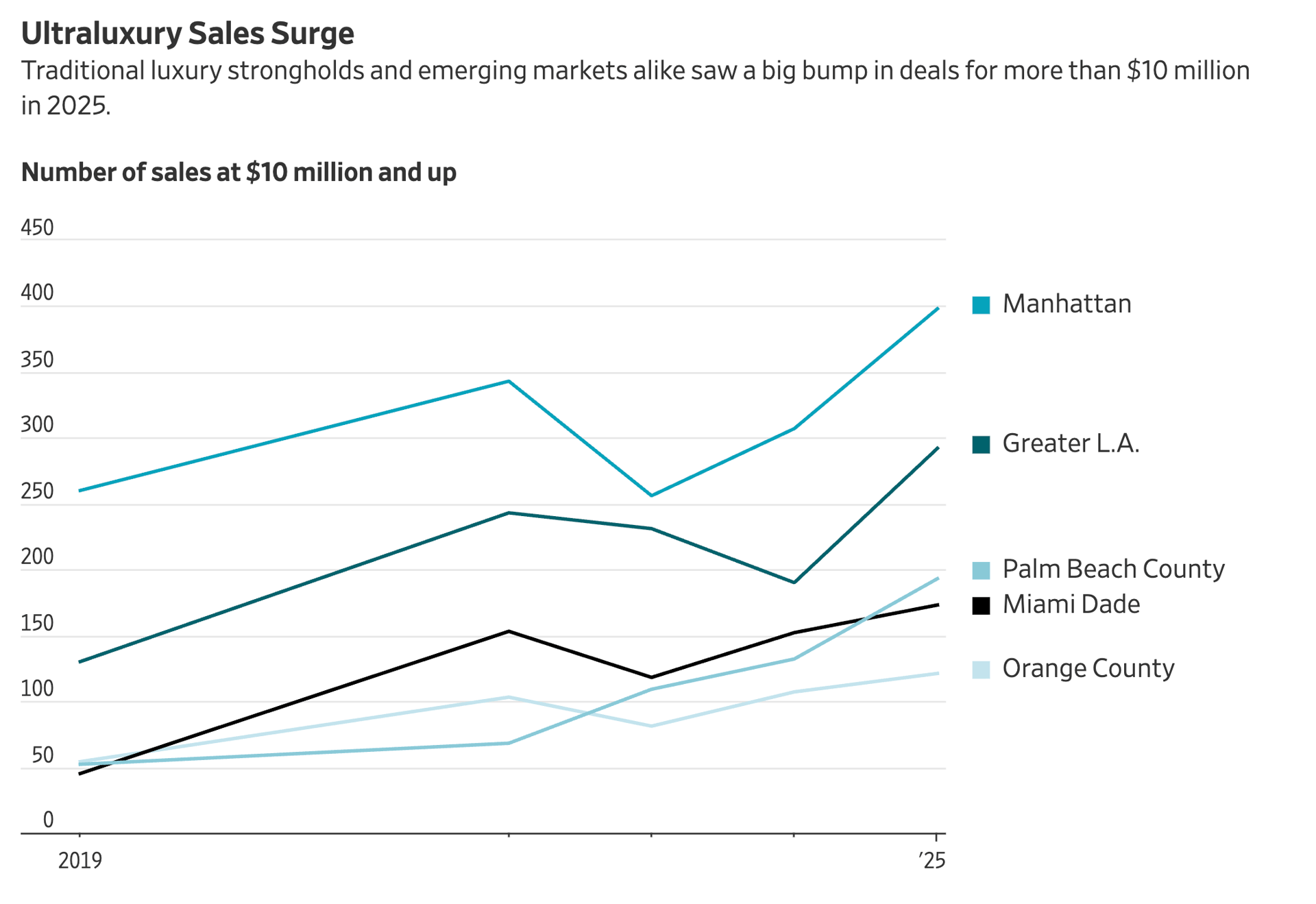
In 2025, the U.S. housing market continued to be mired in a slump, with sales volume stuck at its lowest point in decades and affordability bayout of reach for many buyers. But at the ultra high-end of the market, a very different narrative unfolded: Ultraluxury real-estate sales, which have boomed in much of the country for the last few years, got even stronger.
The nation’s top 10 luxury markets—those with the highest concentrations of home sales of $10 million or more—collectively posted more than 1,600 sales in that price range in 2025, roughly 32% more than the previous year and a nearly 24% increase in dollar volume to $28.6 billion, according to a report by real-estate brokerage Compass reviewed exclusively by The Wall Street Journal. Los Angeles delivered the most dramatic year-over-year surge: There were 292 sales of $10 million and above in L.A. County, a jump of almost 54% from 2024, the report shows. Those sales totaled roughly $5.36 billion, a 61% spike in dollar volume from the previous year.
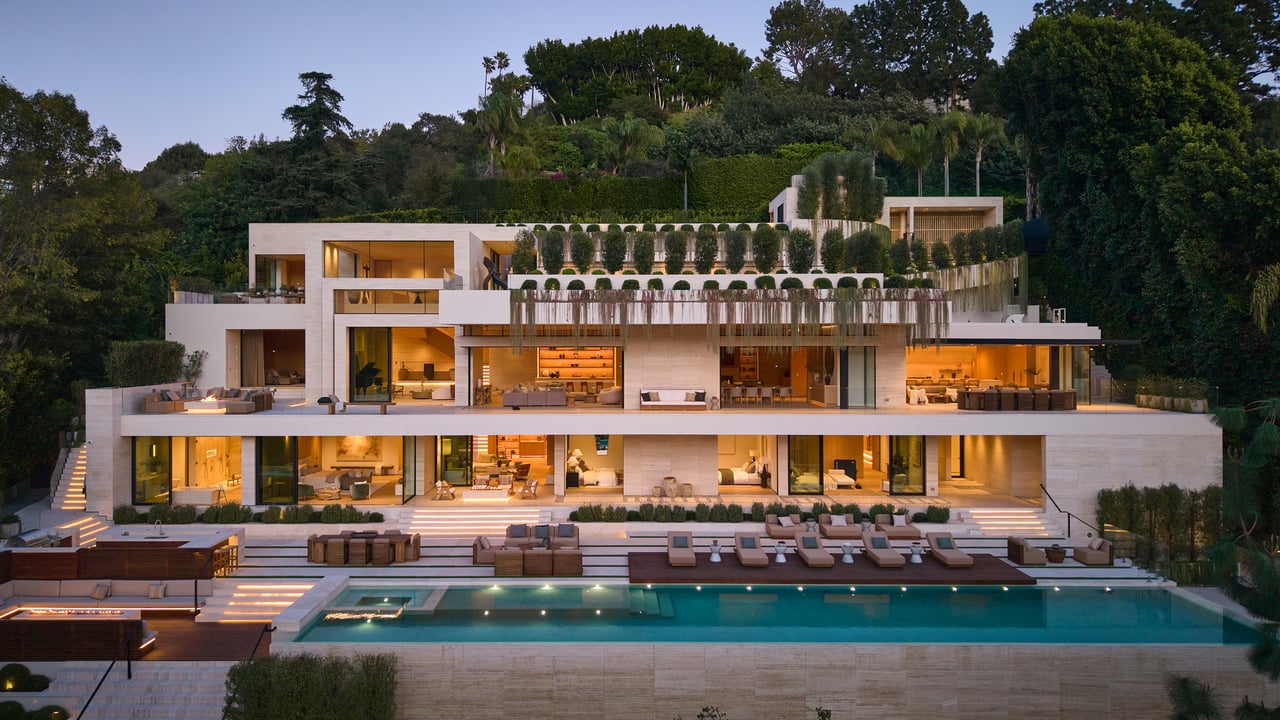
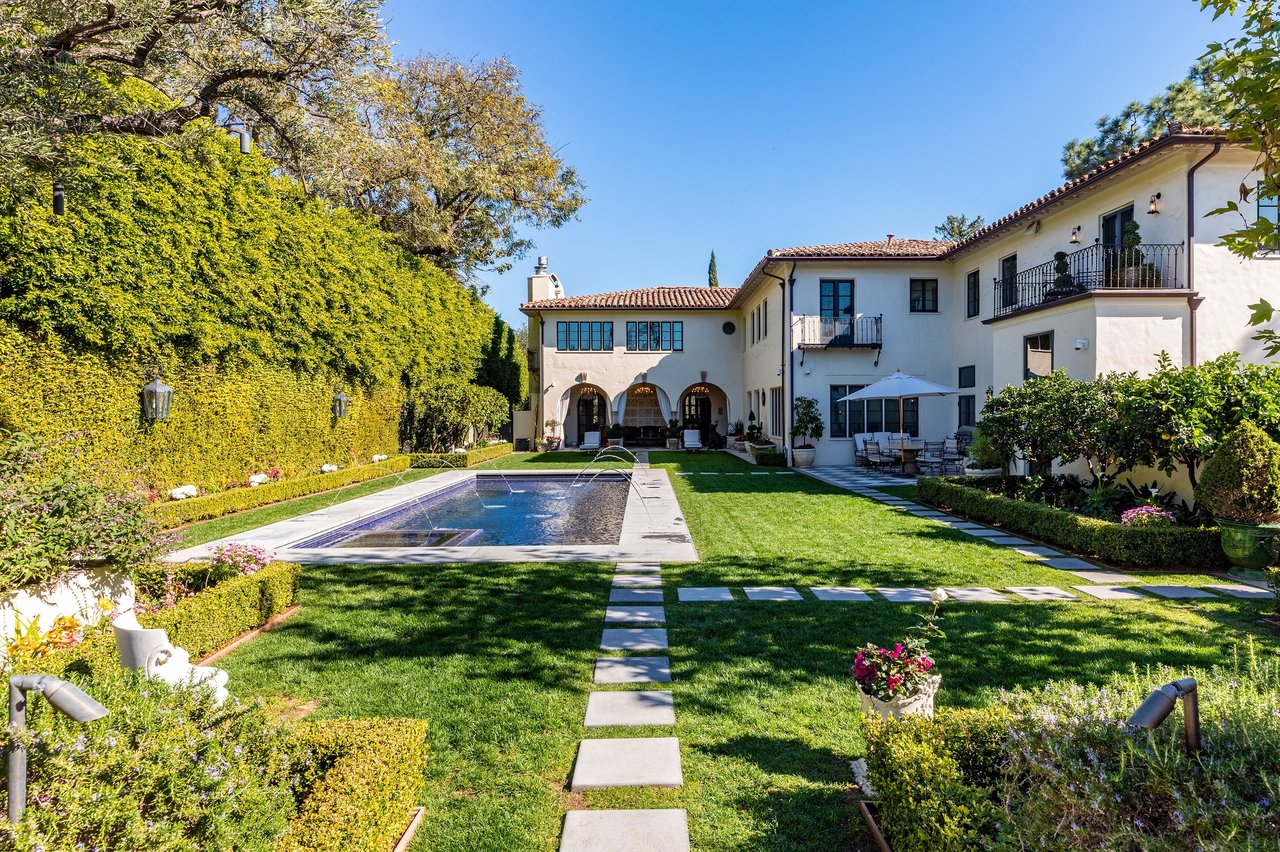
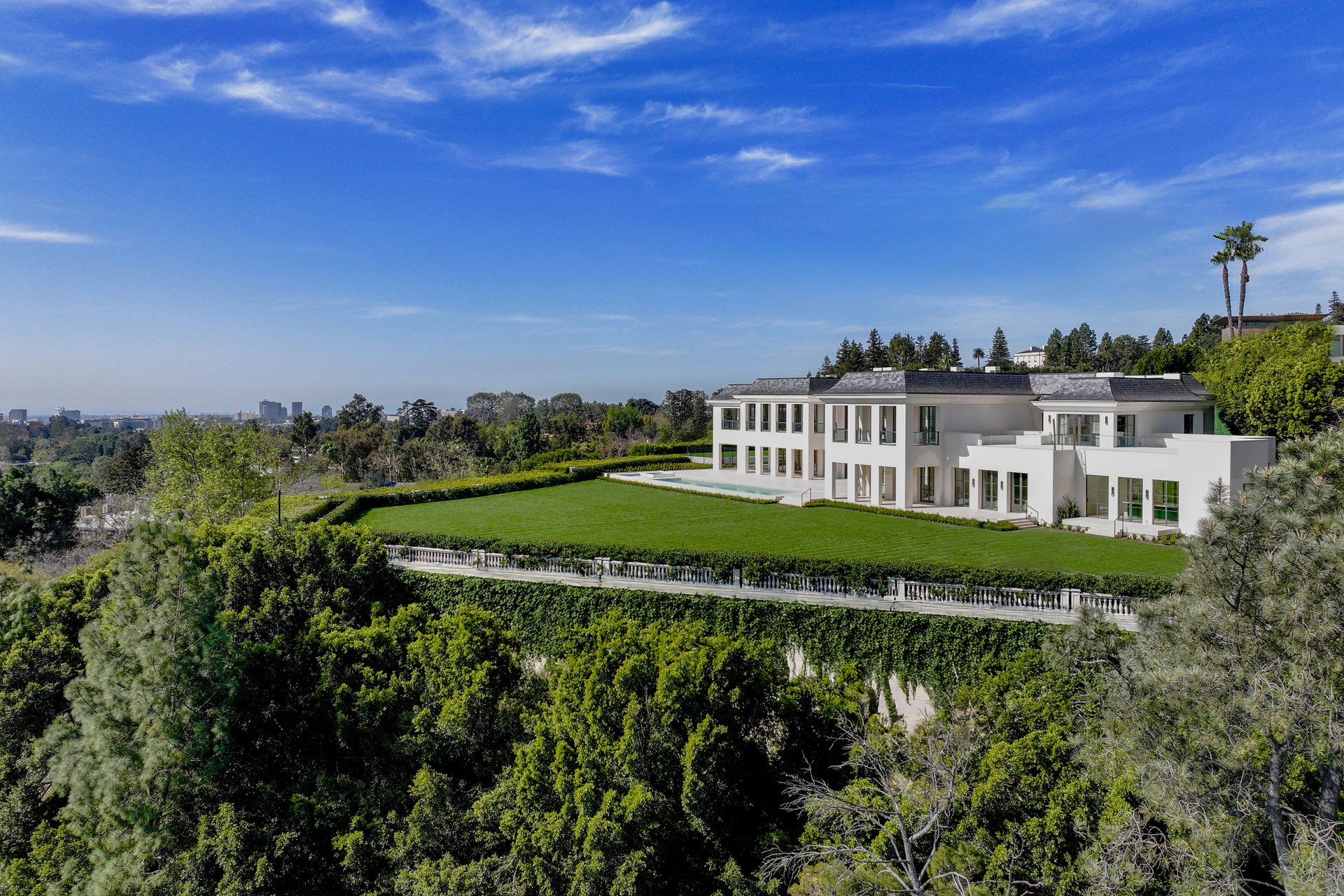
Nimes Rd | Bel Air Sold in 2025
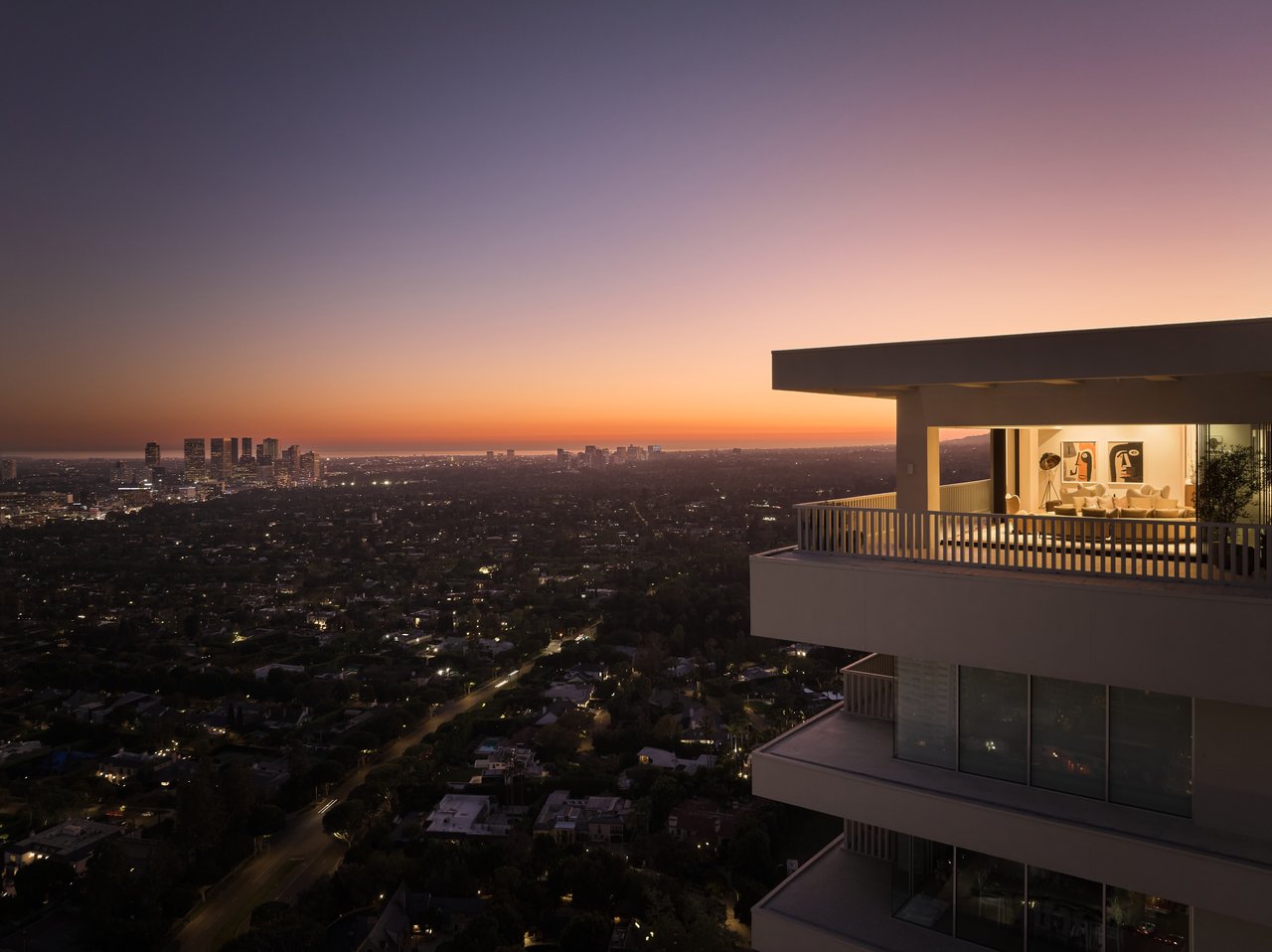
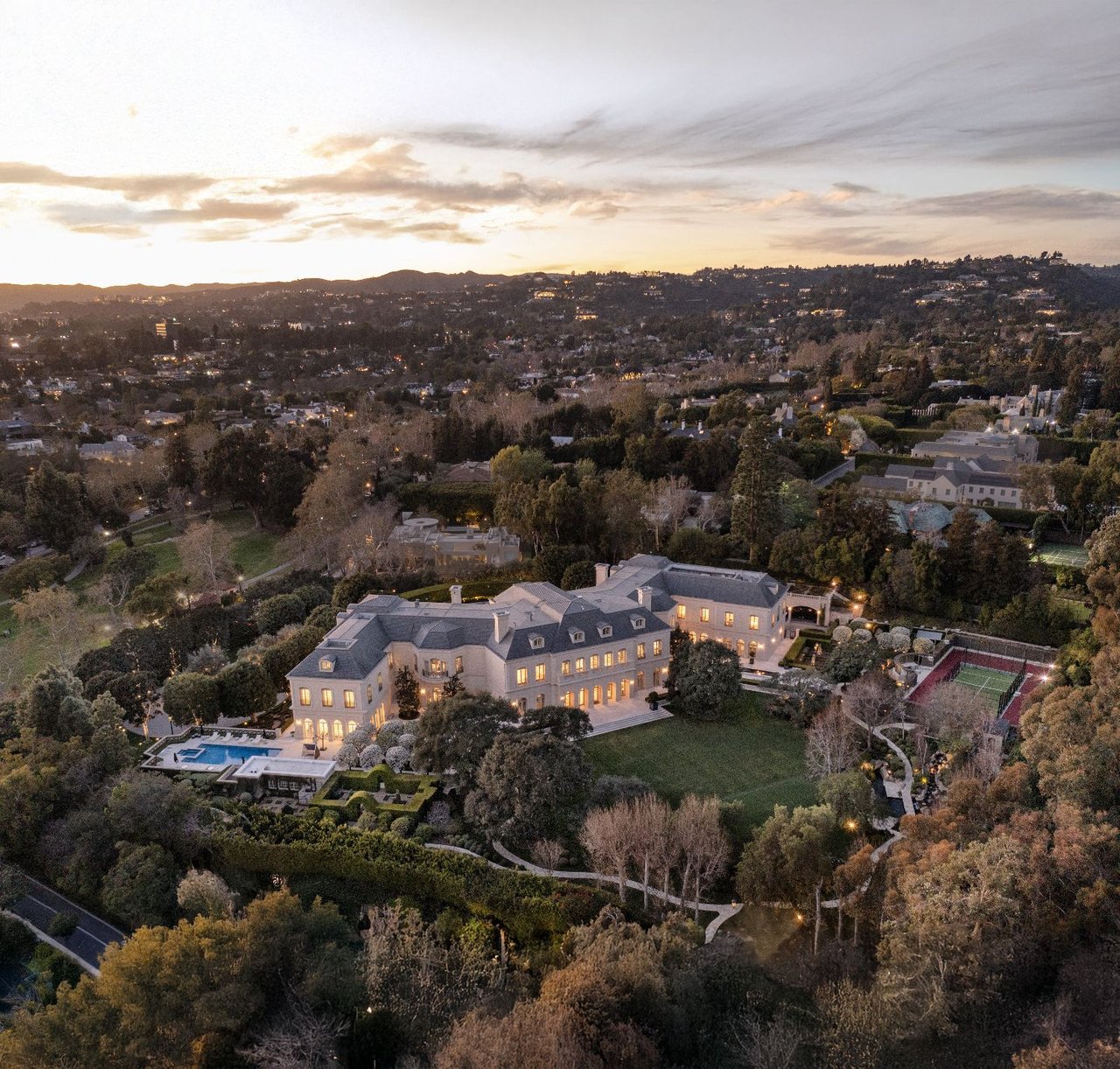
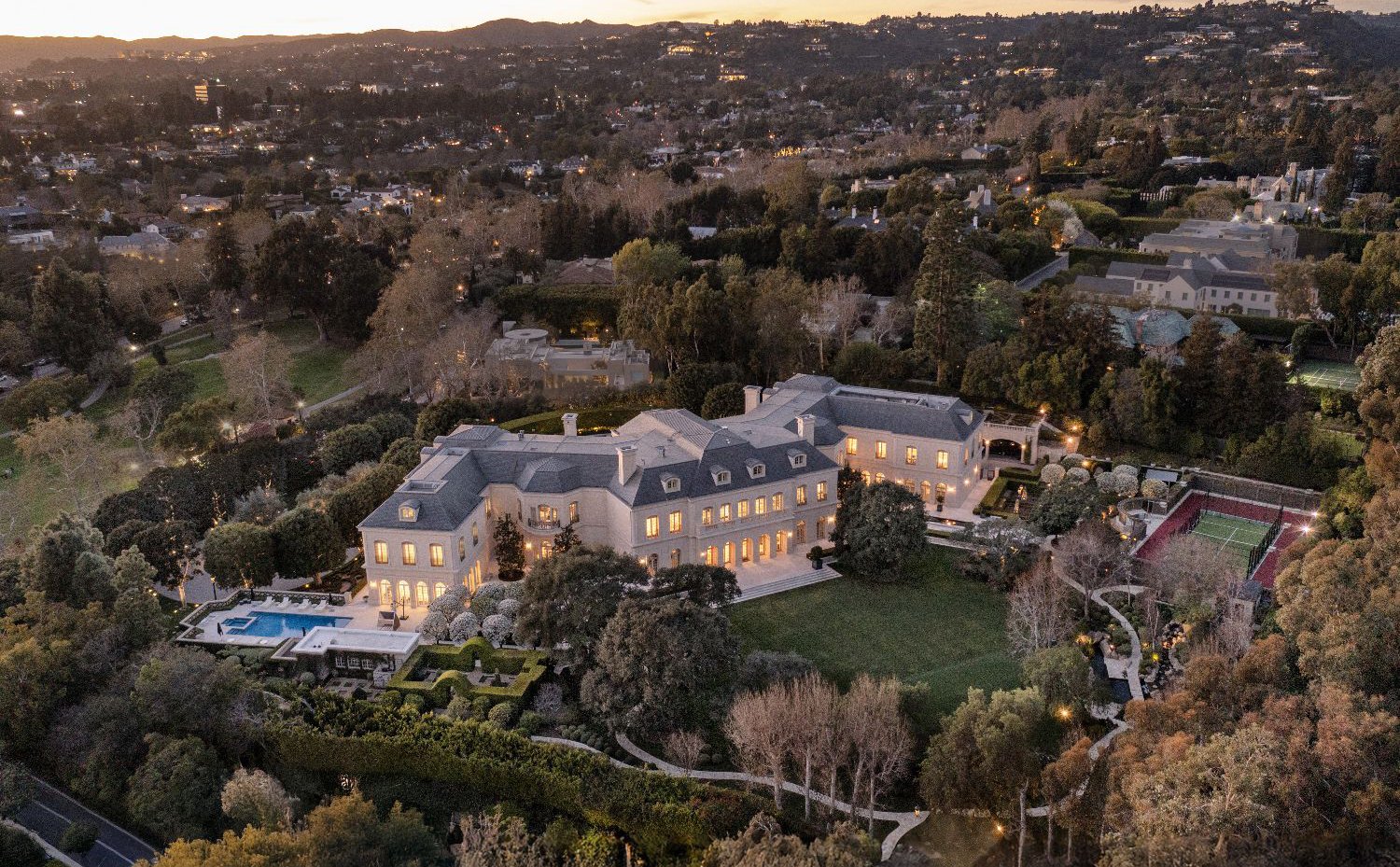
The Manor | Holmby Hills Sold in 2025
A turnaround for struggling markets
Last year marked a turning point for several high-end markets that had been struggling due to lingering pandemic-era slumps, new tax policies or other local headwinds.
For instance, L.A. County entered 2025 still contending with the effects of Measure ULA, the so-called “mansion tax” that took effect in April 2023, requiring the sellers of high-end homes to pay a transfer tax of up to 5.5%. In 2024, the policy contributed to a significant slowdown in high-end sales activity as sellers resisted price adjustments. But it picked up in 2025, Compass data shows, despite the wildfires that tore through parts of the area early in the year.
“Sellers are starting to accept it more,” L.A. real-estate agent Nicole Plaxen of Sotheby’s International Realty said of the mansion tax. “I’d say 2023 was by far the hardest. Sellers were not OK with it. In 2024, they were still kicking and screaming. In 2025, we saw them coming to some level of acceptance.”
In some cases, activity picked up when prices finally came down. Plaxen’s client Jonathan Grahm, head of the premium chocolate brand Compartés, purchased a roughly $9 million L.A. home in December, for instance. The property was priced at about $15 million when it first came on the market in 2022 but had undergone numerous price cuts; Grahm said he waited on the sidelines until 2025, when it felt like the time to pounce.
“I think if you’re a serious buyer and you have funds available, you can get something that has a really good value,” he said.
Displacement and insurance payouts from the wildfires also helped get the market moving, local agents said. Plaxen said she attributes about a third of her business last year to fire-related moves. Some homeowners impacted by the fires are choosing not to rebuild for now and opting instead to buy new homes in other parts of Los Angeles or farther afield, according to local agent Laura Brau of Compass.
One of them is professional poker player Tiffany Michelle, who lost her roughly $8 million Pacific Palisades home in the wildfires. She and her fiancé were fortunate to have strong insurance coverage that paid out for the loss, Michelle said, but the emotional toll left them uncertain of their next move. While they are holding on to their burned lot for now, they are shopping for a new home in Santa Barbara.
Silicon Valley’s AI-fueled rebound
In Northern California, an upsurge in the luxury market has been closely tied to the momentum of the artificial-intelligence boom, local agents said.
Sales of $10 million-plus homes in the Silicon Valley area rose more than 36% in 2025 to 98, while those in the city of San Francisco jumped 50% to 24 following several years of sluggish activity.
In recent years, the Bay Area has served as something of a “political punching bag” over issues like homelessness and crime, perceptions that have impacted the housing market, said San Francisco real-estate agent Max Armour. Now, however, “the Eye of Sauron has sort of turned away from San Francisco,” he quipped, in a reference to the villain in “The Lord of the Rings” series. “We’re in legitimate recovery mode.”
Armour said competition has intensified sharply as wealthy buyers compete for a small pool of available homes.
Riaz Taplin, a real-estate investor shopping for a personal home with his fiancé on the north end of San Francisco, said the speed of the rebound caught him off guard. “In 2023 and 2024, you couldn’t give stuff away,” Taplin said. “By the end of 2025, everything was flying off the handlebars.”
The luxury market typically takes its cues from financial markets, responding after IPOs, mergers and funding rounds as well as major surges in stocks, according to Compass chief economist Mike Simonsen. By that measure, 2025’s uptick was almost inevitable, he said, citing the rise of tech stocks like Nvidia, which is based in Santa Clara, Calif.
“The entire Silicon Valley market has only got 1,000 homes for sale,” Simonsen said. “It is a lot of concentrated wealth.”
Beyond traditional luxury hubs
The surge in $10 million-plus sales went beyond traditional luxury strongholds like L.A., New York City, Miami, Palm Beach, Fla., and Aspen, Colo.
In emerging ultraluxury markets such as the Phoenix, San Diego and Dallas, eight-figure sales are no longer anomalies but part of a growing trend, Simonsen said.
In San Diego County, for instance, a beachfront compound with a “ping-pong pavilion” in Del Mar recently sold for $50 million, setting a county record. Last year, the country’s priciest deal was the $225 million sale of a compound in Naples, Fla., a market not typically associated with home sales above $100 million. The sale of a $33.5 million home in Paradise Valley, Ariz., also set a state record last year.
Simonsen said he attributes much of this activity to a major stock market surge over the past few years. Armed with cash and looking to buy real estate, wealthy people have been frustrated by low inventory in their home markets, while others are seeking lower-tax regions.
Will it last?
Whether the momentum can continue remains an open question, particularly in the midst of international geopolitical strains and rumblings of an AI bubble.
Simonsen noted that in 2025, the performance of a few tech companies had an outsized impact on the overall market. If the performance of those companies was to weaken, it could wreak havoc on the wider market, he said.
Still, Simonsen said, ultraluxury buyers think of real-estate as a type of safe-deposit box, and that mentality is unlikely to change anytime soon. “Real estate as a concrete asset is a channel in times of uncertainty,” he said.